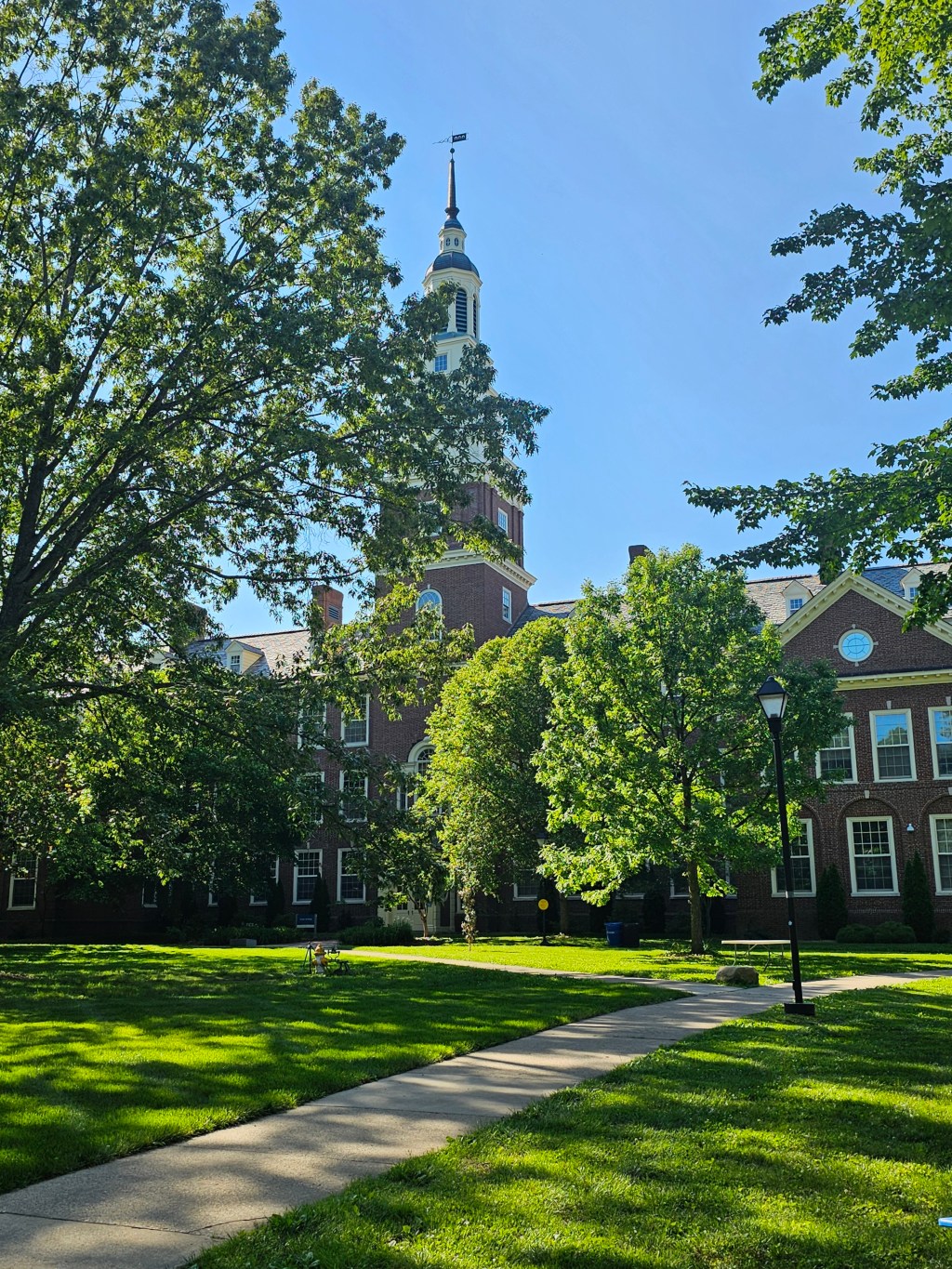
Berea College: Full-Ride Scholarships for All International Students
You have decided to study in the United States of America or outside the borders of your homeland. I am glad that you are an ambitious and courageous person. You have been googling affordable universities in the world. Possibly, you have found many options in Europe. But the prestige and global presence of American Universities still captivate you. The price tag, however, was intimidating. Who on earth can afford the $36,000 per year average tuition bill? I could not. For international students, who receive no federal funding, this price is often much higher.
During the time spent searching for opportunities, some of you may have stumbled upon Berea College, perhaps the only higher educational institution in the United States that gives full-ride scholarships to every international student enrolled! As I write this blog, I am a senior here, and yes, they still charge no tuition from any of its students including international students. About 8% of the student body is international and the opportunities for us are wide-ranging and transformative.
What about living costs? And Room and Board?
Berea provides you with a labour position alongside your status as a student. While labour might sound unappealing to some, it is just like any other job or campus employment. It is just the official term here. All students have to work 10 hours a week (a target of 160 hours per 16-week term). The first-year position is assigned to you based on the information they collect about you during the application process. Afterwards, you will have to look for a position based on your own interests. You are almost guaranteed to find one in the 150 departments across campus. You get paid a wage slightly below minimum wage for your work. However, you are guaranteed that the cost of room and board that the college charges will never exceed the potential wages you earn. There are also work opportunities during the summer, which pay at a higher rate, as well as summer savings options that come with internships. But these depend on the person’s spending habits and financial management skills.
How hard is it to get into Berea?
Very hard. Admission for international students is very competitive. They select 35 applicants out of at least 1000 applications every year. You have less than a 3.5% chance of getting the offer. I will recommend putting your best efforts into writing the personal statement. Tell your story, what you have overcome to get where you are, and how that informs your future. Be vulnerable and take risks when you write. Be more than just a brand. Show the admissions staff that you developed your interests and passions organically. If you need any free unofficial advice as you put your application materials together, feel free to contact me.
Rewards of being an international student at Berea:
- Funding
Berea College has numerous funding opportunities outside of the No-Tuition promise and the Labour Program. They fund upto two internships anywhere in the contiguous United States. There are opportunities like The Sloane Shelton Independent Arts and Humanities Grant which provides you with up to $15,000 to pursue an independent project anywhere in the world during the summer. The college also gives you $500 when you graduate!
- Exposure
Numerous companies and institutions reach out to hire and recruit Berea College students. The labour supervisors and professors have connections and networks that you can use to kick-start your career. There are many opportunities and funding that could take you to conferences and competitions where you might meet your future employer.
- Academic Rigour
Free education does not mean low-quality education. The academic rigour at Berea is no joke. The learning opportunities you receive from the professors here can put you in par with students from other elite universities across the country. However, you will be spending most of your time doing assignments, reading texts, and leading projects. You will be writing a lot. Even if you are a STEM major, you will still need to take the General Studies classes which will likely be writing intensive. If you have a knack for writing, Berea will be easier for you.
- Opportunities and Resources
The sheer amount of opportunities and resources you get can be overwhelming. One has to be very careful choosing what opportunities and pathways to pursue to make the most of your time here. You will receive emails everyday about all the events and programming that happens around campus. The possibilities are endless. There are also many clubs and organisations in which you can participate. For example, dance groups like South Asian Fusion and the catholic Newman Club. Diversity is cherished. There are spaces for all cultures and people to feel liberated and express themselves. For example, there is an Asian Student Union and an African Student Union where people from those parts of the world can congregate and showcase their culture.
What are the challenges of being an international student at Berea?
- Taxation
If your country does not have a tax treaty with the United States, you will be taxed. Most students get taxed at a rate of 14%. This means that all the grants that are not tuition-related will be taxed by the U.S. government. This burden falls on the international student. I pay around $600 a term. Most international students pay around $500 per term. Your tax amount varies based on your nation’s relationship with the U.S. and your unique financial circumstances. Additional grants you may receive (for which there are lots of opportunities), will also be taxed. For example, there is a “Dress-for-Sucess” grant where all students can get up to $400 to buy professional clothing. International students will get the grant minus the taxes. However, because of a tax treaty with my home country, I get most of this back when I file tax returns. Some international students pay no taxes some pay up to 37%.
- No public transportation
Public transportation is hard to come by outside of urban centres in the United States. Berea is a car-dependent town. There is a bus that runs in circuits around the town of Berea during the weekdays. They also do airport shuttles with around 72 hours’ notice. The college has shuttles that take students to the nearby grocery stores during the week and to the nearest mall; Richmond Center, during the weekends. There are also shuttles to Lexington that run every now and then. However, you will have to get used to asking friends and acquaintances for rides to get places and to get to appointments. The other option is investing in a personal car which can be expensive. The initial cost of buying a car aside (which can run anywhere between $2500 to $7500); without a driving history and family in the U.S., your required monthly insurance rates will also be high (expect around $120).
- Food
Berea’s Mountaineer Dining Hall is run by a global corporate conglomerate called Sodexo. I come from a place that boasts of flavourful and complex cuisines like many of you probably do. People forewarned me of the blandness of American cuisine. But, the corporatized food that Sodexo serves Berea students is far more execrable then what I had expected. Eating at dining is my least favourite time of the day. Adding to my woes is the fact that I am a vegetarian. The choices of hot food on offer dwindle with each dietary restriction you have. Sometimes, the best thing on the menu is steamed broccoli. The melange of whatever spices and vegetables they put together is always uninspiring if not repulsive. There is a reprieve on days someone important passes through campus or some event is hosted and their participants eat at dining, mostly at lunchtime. Dinner is almost always bad. Students complain about dining all the time. Talking about how deplorable the food is while eating at dining is a pass-time for students like myself. They send out surveys and we tell them how we hate the food. They add another dessert section, more ice cream, and more cold pastries in the refrigerator, but they do almost nothing about the hot food. Hopefully, this will change by the time you get here!
- Rural Location and its Boredom
This depends on who you are, but there are not a lot of things to do around here. If you have specific cultural needs, you would have to drive to Lexington to fulfil them. For example, the nearest temples and ethnic restaurants are all in Lexington. To know more about Berea the town, expand below:
Click to Expand:
Where is Berea College located?
Berea College is located in the small so-called “city” of Berea in central Kentucky, USA. It has a population of around 15,500 people.
Lexington, the nearest urban area, is a 45-minute drive away. Lexington is diverse and has restaurants run by immigrants from around the world. But it does not have an international airport. The small Bluegrass Airport is easy to navigate but has no international flights. You will have to connect through cities like Charlotte to get to your destination outside the U.S., which can be quite inconvenient, long, and expensive. For relatively cheaper international flights, you can drive to Cincinnati or Louisville, the bigger cities, both around a 2-hour drive away.
This is rural America. It is very different from the popular ideas of the United States. Rural Kentucky feels like a different country than New York City and California, where a lot of Hollywood films are set. Berea might be different from what one might imagine the United States to be.
Gallery
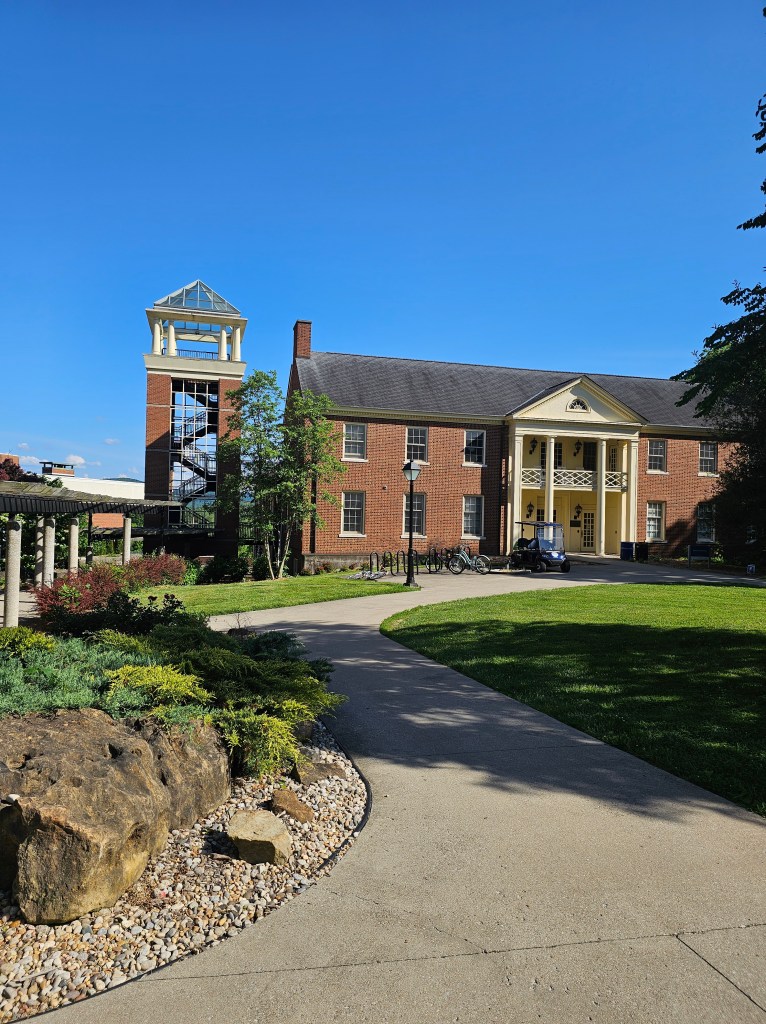
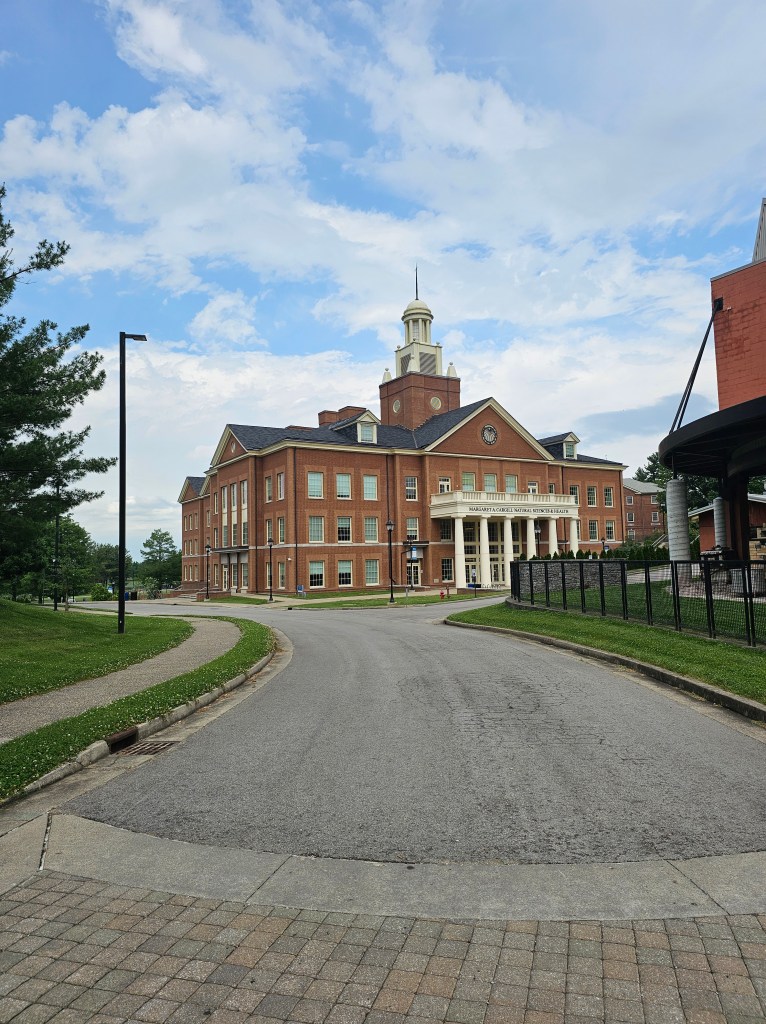
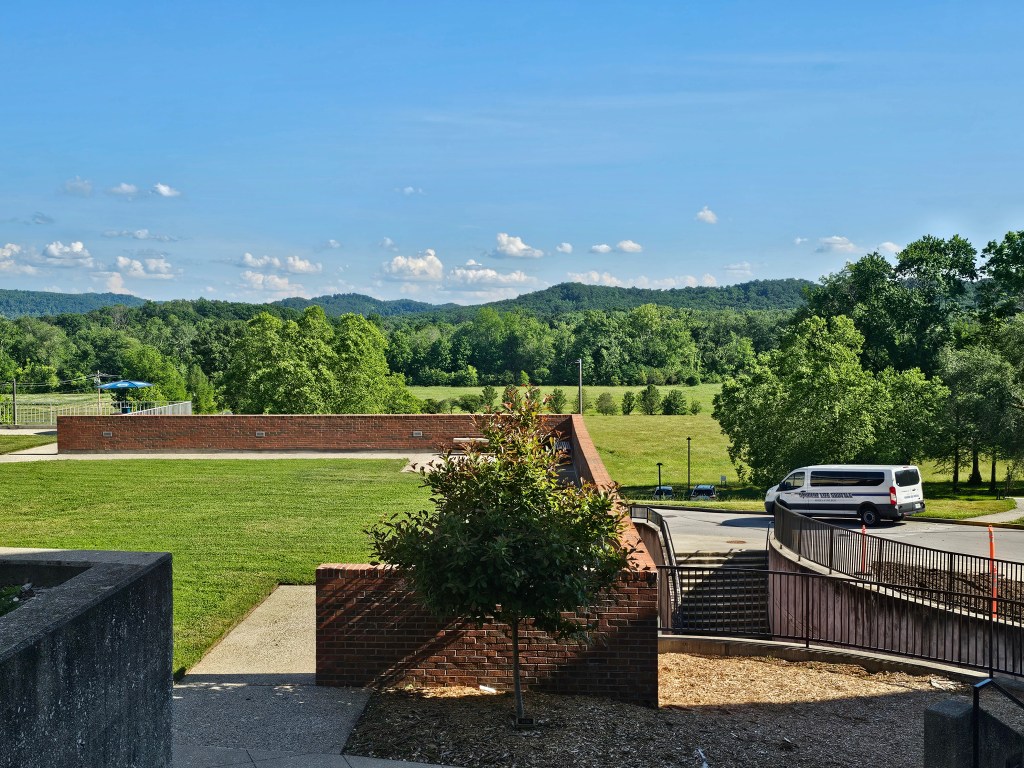
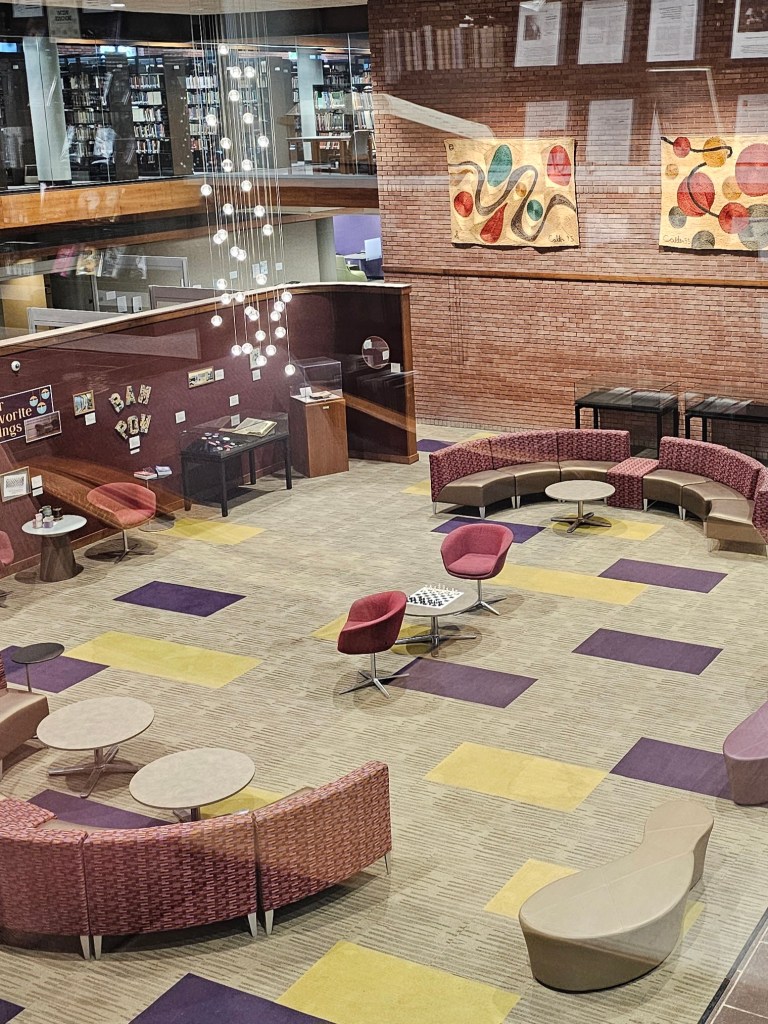
All image credits: Sreekuttan “Sree” Palakkadan Subash

 Escaping Samsara
Leave a comment